The overlooked connection between hearing, cognitive health, and quality of life
As we step into 2026, many Houston adults are thinking about wellness in a more holistic way — not just diet and exercise, but brain health, energy, and staying engaged in the life they love. Conversations around longevity, cognitive wellness, and healthy aging are becoming more common, especially among active professionals and families across the Houston area.
One important part of that conversation is often overlooked: hearing health.
At McNamara Hearing, we regularly see how hearing impacts not just how well someone hears, but how clearly they think, how confidently they communicate, and how connected they feel in daily life.
Hearing Is Not Just About the Ears
Although we think of hearing as something that happens in the ears, hearing is actually a brain-driven process.
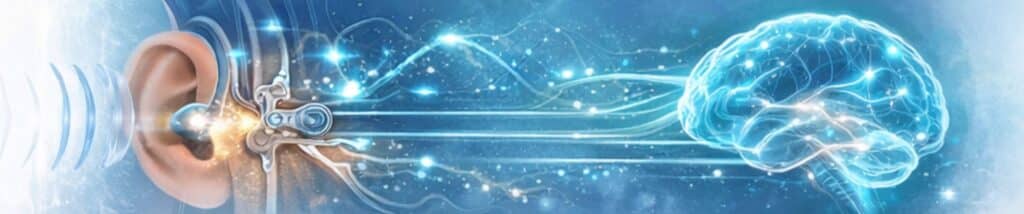
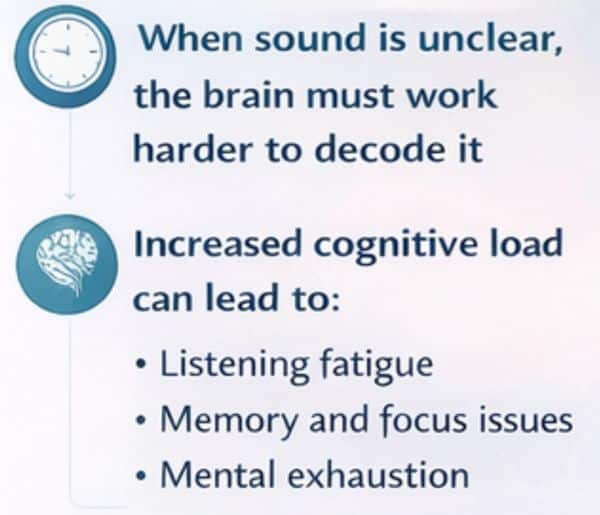
Your ears collect sound, but it is your brain that interprets and organizes that information. When sound is clear, the brain processes it efficiently. When hearing becomes distorted — even mildly — the brain must work harder to understand speech.
Research shows that when hearing is impaired, the brain reallocates cognitive resources to decode sound, leaving fewer resources available for memory, focus, and comprehension. This increased mental effort is known as cognitive load.
Many adults with untreated hearing loss report:
- Listening fatigue at the end of the day
- Difficulty concentrating in meetings or conversations
- Mental exhaustion after social events
The Ear–Brain Connection
The connection between hearing and brain health is well documented in medical research.
Large, long-term studies have demonstrated that untreated hearing loss is associated with increased cognitive strain and changes in memory, focus, and processing speed. One widely cited study from Johns Hopkins University found that adults with hearing loss had a significantly higher risk of cognitive decline over time compared to those with normal hearing.
Importantly, hearing loss is considered a modifiable risk factor — meaning it is something that can be addressed with appropriate care.
Early intervention matters because:
- The brain remains more adaptable when hearing changes are addressed sooner
- Auditory pathways stay active with consistent stimulation
- Listening effort and mental fatigue can be reduced
The Whole-Body Impact of Hearing Loss
The effects of hearing loss extend far beyond hearing alone.
Communication and Social Engagement
When hearing becomes challenging, many people begin to avoid restaurants, group conversations, or professional settings where listening feels exhausting. Over time, this can reduce social engagement and participation in activities that once brought joy.
Emotional and Relationship Effects
Communication difficulties can strain relationships with spouses, family members, and colleagues. Research has consistently shown associations between untreated hearing loss, social isolation, and depression.
Energy, Confidence, and Daily Life
Patients often tell us that untreated hearing loss is “tiring.” With proper hearing support, many report increased confidence, energy, and ease in both personal and professional interactions.
A Smarter, More Personalized Approach to Hearing Care
Modern hearing care is not one-size-fits-all — especially for individuals who value quality, precision, and long-term wellness.
At our Houston office, we approach hearing care as part of a broader whole-body wellness strategy, considering:
- Hearing ability and clarity
- How the brain processes sound
- Daily communication demands
- Lifestyle, work, and social environments
When advanced hearing technology is paired with clinical expertise, customized treatment plans and ongoing support, it can significantly reduce listening effort and improve clarity — not just of sound, but of life.
Hearing Care as an Investment in Your Future
Your hearing impacts how you think, connect, and live.
In 2026, hearing care is no longer just about volume — it’s about protecting cognitive health, preserving relationships, and staying engaged in the life you’ve worked hard to build.
If you live in the Houston area and have noticed changes in your hearing, increased listening fatigue, or difficulty following conversations, a proactive evaluation can provide clarity and peace of mind.
👉 Schedule a Comprehensive Hearing Evaluation & Brain Health Screening this New Year
Sources:
Pichora-Fuller MK et al., International Journal of Audiology, 2016
Wingfield A, Trends in Cognitive Sciences, 2016
Lin FR et al., JAMA Internal Medicine, 2013
Livingston G et al., The Lancet Commission on Dementia Prevention, 2020
Mick P et al., The Gerontologist, 2014
National Institute on Deafness and Other Communication Disorders (NIDCD)
World Health Organization, World Report on Hearing, 2021
American Academy of Audiology, Clinical Practice Guidelines